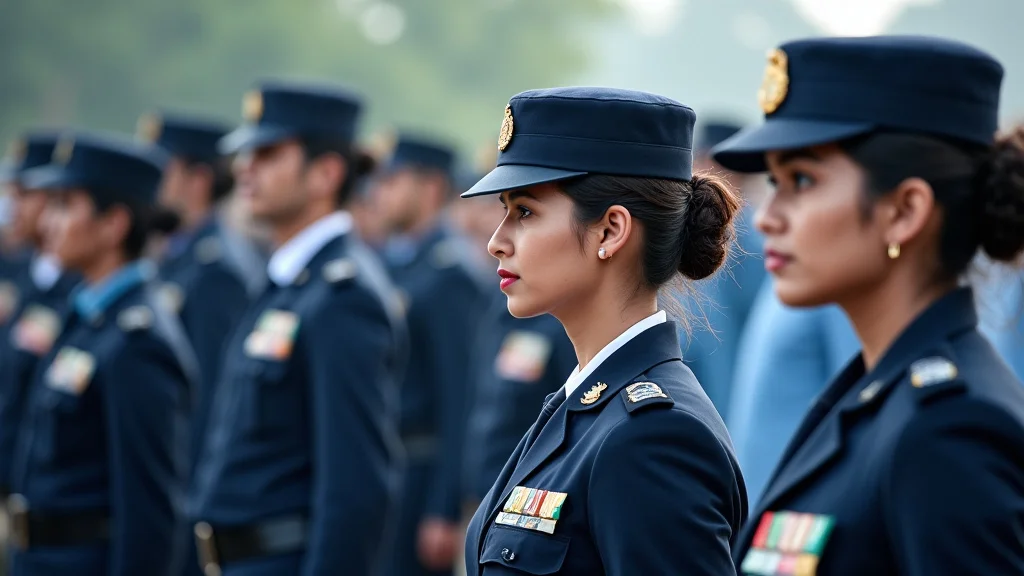
Many people want to join the police force in Bangladesh. Finding clear information about police job circular Bangladesh requirements can be tough, especially if it’s your first time looking. You might see a lot of papers and not know where to start.
Don’t worry! This post will make it super simple. We will walk you through everything step-by-step.
Get ready to learn what you need to know to apply.
Key Takeaways
- You will learn the basic eligibility for police jobs in Bangladesh.
- Understand the educational needs for different police ranks.
- Discover the physical and medical standards required.
- Get insights into the application and selection process stages.
- Find out about age limits and other important criteria.
Understanding Police Job Circular Bangladesh Requirements
Applying for a job with the Bangladesh Police can be an exciting step. It’s a respected career that serves the nation. When you look at a police job circular Bangladesh requirements can seem like a lot to take in at first.
This section breaks down what you generally need to qualify. Think of it as your first checklist.
The Bangladesh Police have different branches and ranks. Each might have slightly different rules. However, there are common requirements that most applicants must meet.
These are the first things you should check. They ensure you are on the right track before you even think about filling out forms.
Basic Eligibility Criteria
To even start an application, you need to meet the basic criteria. These are the must-haves.
- Citizenship: You must be a citizen of Bangladesh. Proof of citizenship is usually required.
- Nationality: You must also be a permanent resident of Bangladesh.
- Character: You should have a good moral character. This means no criminal record. Police will check this carefully.
- Marital Status: Sometimes, marital status can be a factor, though this varies by position.
These initial checks are important. They help filter out candidates who do not meet the fundamental conditions for joining the police force. The aim is to select individuals who are dependable and trustworthy from the start.
Educational Qualifications
Your education level plays a big role in which police jobs you can apply for. Different positions need different schooling.
- Constable: Typically, you need to have passed the Secondary School Certificate (SSC) or equivalent examination. Some circulars might ask for a Higher Secondary Certificate (HSC).
- Sub-Inspector (SI): For SI positions, you usually need to have at least a Higher Secondary Certificate (HSC) or equivalent. Some roles might require a Bachelor’s degree.
- Inspector and Higher Ranks: For more senior positions like Inspector, Assistant Superintendent of Police (ASP), or other gazetted officer roles, a Bachelor’s or Master’s degree is often a minimum requirement. Specific degrees might be preferred for certain specialized units.
Having a good academic record is also important. While not always a strict requirement, it can make your application stronger. The police force needs smart and educated individuals who can handle complex situations.
Age Limits for Applicants
Age is a key factor in police recruitment. There are different age limits depending on the position.
For entry-level positions like Constable, the age limit is usually between 18 and 20 years on the date of application. For Sub-Inspectors, the age limit is often a bit higher, perhaps 19 to 27 years. For gazetted officers, the age limit can be around 21 to 30 years.
It’s very important to check the specific age range mentioned in the official police job circular Bangladesh requirements. They will state the exact start and end dates for the age bracket. Being even a day over or under the limit usually means disqualification.
Physical and Medical Requirements
Being a police officer demands good physical health and stamina. The job can be demanding. Therefore, strict physical and medical standards are in place.
You need to be fit enough to handle the daily duties. This includes things like patrolling, responding to emergencies, and sometimes strenuous physical activity. The medical tests ensure you can perform these duties without putting yourself or others at risk.
Physical Standards
Physical standards include height, chest size, and general fitness.
- Height: There’s a minimum height requirement. For men, it’s often around 5 feet 6 inches. For women, it might be slightly less, like 5 feet 2 inches. Specific measurements can vary slightly by rank and circular.
- Chest: For male candidates, there’s a measurement for the chest, both in a relaxed state and when expanded. This shows lung capacity and overall physique. A common requirement is around 30-32 inches relaxed and expanding to 34-36 inches.
- Weight: Weight is usually assessed in proportion to height. A healthy BMI (Body Mass Index) is generally expected.
- Eyesight: Good vision is crucial. There will be tests for visual acuity and color vision.
These physical measurements are checked during the initial stages of the selection process. They are straightforward requirements to meet if you are physically fit.
Medical Examination
After passing the initial physical tests, you will undergo a detailed medical examination. This is to ensure you have no hidden health issues that could affect your job performance.
- General Health: Doctors will check your overall health, looking for any chronic illnesses, infections, or conditions that could impair your ability to work.
- Mental Health: Psychological and mental fitness are also assessed. Police work can be stressful, so officers need to be mentally stable.
- Disease-Free: You must be free from contagious diseases like tuberculosis or hepatitis.
- Body Condition: Any serious physical deformities or conditions that limit movement will be evaluated.
The medical examination is thorough. It aims to identify any potential risks to your health or the public’s safety. Being in good general health is key to passing this stage.
The Application and Selection Process
Applying for a police job in Bangladesh involves several stages. Each stage is designed to select the most suitable candidates.
The process usually starts with an online or offline application. After submitting your application, you will be called for the selection tests. These tests can be challenging, so preparing well is important.
Application Submission
When a police job circular Bangladesh requirements are published, you need to follow the instructions carefully.
- Read the Circular: Always read the official job circular published by the Bangladesh Police or the relevant authority (like the Police Headquarters or Ministry of Home Affairs). This is where you find all the specific details.
- Online Application: Most applications are now submitted online through official government job portals or specific police recruitment websites. You will need to fill out a detailed application form.
- Required Documents: You will need to upload scanned copies of your photographs, signature, educational certificates, national ID card, and sometimes a character certificate.
- Application Fee: Often, there’s a non-refundable application fee to be paid through bank deposit or mobile banking.
Submitting your application correctly and on time is the very first step to success. Double-check all information before finalizing.
Written Examination
For many positions, especially for Sub-Inspectors and officers, a written exam is a major part of the selection.
- Subjects Covered: The written exam typically includes subjects like Bengali language and literature, English, General Knowledge (including Bangladesh affairs, international affairs, and basic science), and sometimes mathematics. The syllabus will be detailed in the job circular.
- Exam Format: Exams can be objective (multiple choice) or subjective (essay type), or a combination of both.
- Preparation: Studying past papers and focusing on the specified syllabus is highly recommended. A good score here is vital to move forward.
This stage tests your knowledge and analytical skills. It’s a critical step to filter candidates based on their academic background and general awareness.
Physical Endurance and Skill Tests
Besides height and chest measurements, there are often physical endurance tests.
- Running: Candidates might be required to complete a certain distance within a specified time. For example, running 1 kilometer or more.
- Push-ups and Sit-ups: Tests for upper body strength and core fitness.
- Jumping: Sometimes, broad jump or vertical jump tests are included.
- Other Skills: Depending on the role, specific skills like swimming or driving might be tested.
These tests assess your physical capability to perform the demanding duties of a police officer. Regular exercise and training can help you prepare for these challenges.
Psychological Assessment and Interview
This stage looks at your personality, attitude, and suitability for police work.
- Psychological Tests: These can include questionnaires or group discussions to assess your decision-making, problem-solving abilities, stress management, and teamwork skills.
- Viva Voce (Interview): A personal interview with a panel of senior police officers. They will ask questions about your background, motivation for joining the police, general awareness, and how you would handle certain situations.
- Honesty and Integrity: Your responses during the interview are crucial. They assess your honesty, integrity, and commitment to public service.
This is your chance to show who you are and why you want to be a police officer. Be confident, honest, and polite.
Common Myths Debunked
Myth 1: Anyone can join the police if they just pass the tests.
Reality: While passing the tests is essential, the police recruitment process also heavily considers your background and character. A criminal record, involvement in illegal activities, or a history of dishonest behavior will immediately disqualify you, regardless of your performance in tests. The police force needs individuals with proven good character.
Myth 2: You need to know someone in the police to get selected.
Reality: The recruitment process for the Bangladesh Police is designed to be merit-based. While connections might influence some aspects in any sector, the formal selection stages, including written exams, physical tests, and interviews, are conducted by official committees. Focusing on preparation and performing well in each stage is the most effective way to get selected, not relying on influence.
Myth 3: Only men can apply for most police jobs.
Reality: The Bangladesh Police actively recruits both men and women. Many positions, including constable, sub-inspector, and higher officer ranks, are open to female candidates. The job circulars will specify quotas or positions where women can apply.
Their physical and educational requirements are often similar or have adjusted standards to ensure equal opportunity.
Myth 4: Police jobs are only about law enforcement and fighting crime.
Reality: While law enforcement is a primary duty, police officers also engage in community service, traffic management, disaster response, public relations, and various administrative tasks. The role is diverse and often involves a significant amount of public interaction and service, requiring a broad range of skills beyond just combat or arrest.
Frequently Asked Questions
Question: What is the minimum educational requirement for a police constable?
Answer: Generally, you need to have passed the Secondary School Certificate (SSC) or an equivalent examination from a recognized educational board to be eligible for the position of a police constable.
Question: How tall do I need to be to join the police as a male constable?
Answer: The minimum height requirement for male constables is typically around 5 feet 6 inches, but always check the specific job circular for the exact measurement.
Question: Can I apply if I am slightly over the age limit?
Answer: No, age limits are strictly enforced. If you are even a day over the maximum age specified in the police job circular Bangladesh requirements, you will likely be disqualified.
Question: What kind of physical fitness tests are conducted?
Answer: Physical tests usually include running a certain distance within a set time, push-ups, sit-ups, and sometimes jumping tests to assess strength and stamina.
Question: Is there a separate recruitment process for specialized police units?
Answer: Yes, specialized units like the Detective Branch (DB) or Counter Terrorism and Transnational Crime (CTTC) may have additional tests or specific educational and skill requirements beyond the general police job circular Bangladesh requirements.
Wrap Up
Successfully meeting the police job circular Bangladesh requirements involves understanding eligibility, education, physical standards, and the selection process. Always refer to official circulars for the most accurate details. Prepare diligently for each stage.
Your dedication and effort are key to achieving your goal of serving the nation as a police officer.